
logo

Creativolks

  • About
  • Services
  • Portfolio
  • Packages
Contact
logo

Creativolks

Creativolks is a digital agency based in Malang, Indonesia specializing in Web Development, Mobile Apps, and AI Integration.

Malang, East Java, Indonesia

Useful Links

  • Blog
  • Packages
  • About

Terms

  • Terms of Service
  • Privacy Policy
  • Refund Policy

Support & Help

  • Contact Support
  • About

© 2026 Creativolks. All rights reserved.

Home›Blog›Every Click You Make on the Internet Involves HTTP (But You Never Notice)
Web BasicsTechnologyDevelopmentWeb Development AgencyJasa Pembuatan Website

Every Click You Make on the Internet Involves HTTP (But You Never Notice)

C
Creativolks Team
July 25, 2026
Every Click You Make on the Internet Involves HTTP (But You Never Notice)

Have you ever wondered what happens in the split second between clicking a link and seeing a webpage load? The invisible magic that makes this possible is called HTTP (Hypertext Transfer Protocol).

In this article, we'll explore what HTTP is, why it's the foundation of the modern internet, and how expert web developers use it to create lightning-fast experiences for your business.


What is HTTP?

Imagine going to a restaurant. You are the client, the waiter is the internet connection, and the kitchen is the server. You give your order (a Request) to the waiter, who takes it to the kitchen. The kitchen prepares your food and the waiter brings it back to your table (a Response).

HTTP is exactly like that. It is the language used by your web browser (the client) to talk to web servers across the world.

When you type creativolks.my.id into your browser, you are sending an HTTP Request. The server processes it and sends back an HTTP Response containing the HTML, images, and text that make up the website.


The Invisible Heavy Lifting

Every single interaction on the web relies on HTTP:

  • Clicking a link? That's an HTTP GET request asking for a new page.
  • Submitting a contact form? That's an HTTP POST request sending your data to the server.
  • Liking a post on social media? That's a tiny background HTTP request updating the database.

Despite doing all this heavy lifting, HTTP operates entirely behind the scenes. You never notice it—unless it's slow or broken.


Why HTTP Optimization Matters for Your Business

While HTTP itself is fast, poorly optimized websites can send too many requests or request files that are too large. This leads to slow loading times, frustrated users, and lost revenue.

53% of mobile site visitors leave a page that takes longer than three seconds to load.

To keep your website fast, professional developers use techniques like:

  • Minification: Shrinking code files so they travel faster.
  • Image Compression: Reducing image sizes without losing quality.
  • Caching: Saving parts of the website on the user's device so they don't have to be requested again.

Build a Lightning-Fast Website

At Creativolks, we understand the deep technical layers of the web. We don't just build websites that look good; we build platforms that are highly optimized at the protocol level to ensure maximum speed and performance.

Ready to upgrade your digital presence?

Get a free consultation →

Found this helpful?

Share this article with your network.

LinkedInWhatsApp

Ready to grow your business digitally?

Let's talk about your project. Free consultation, no commitment.

Get a Free Consultation
Related Articles

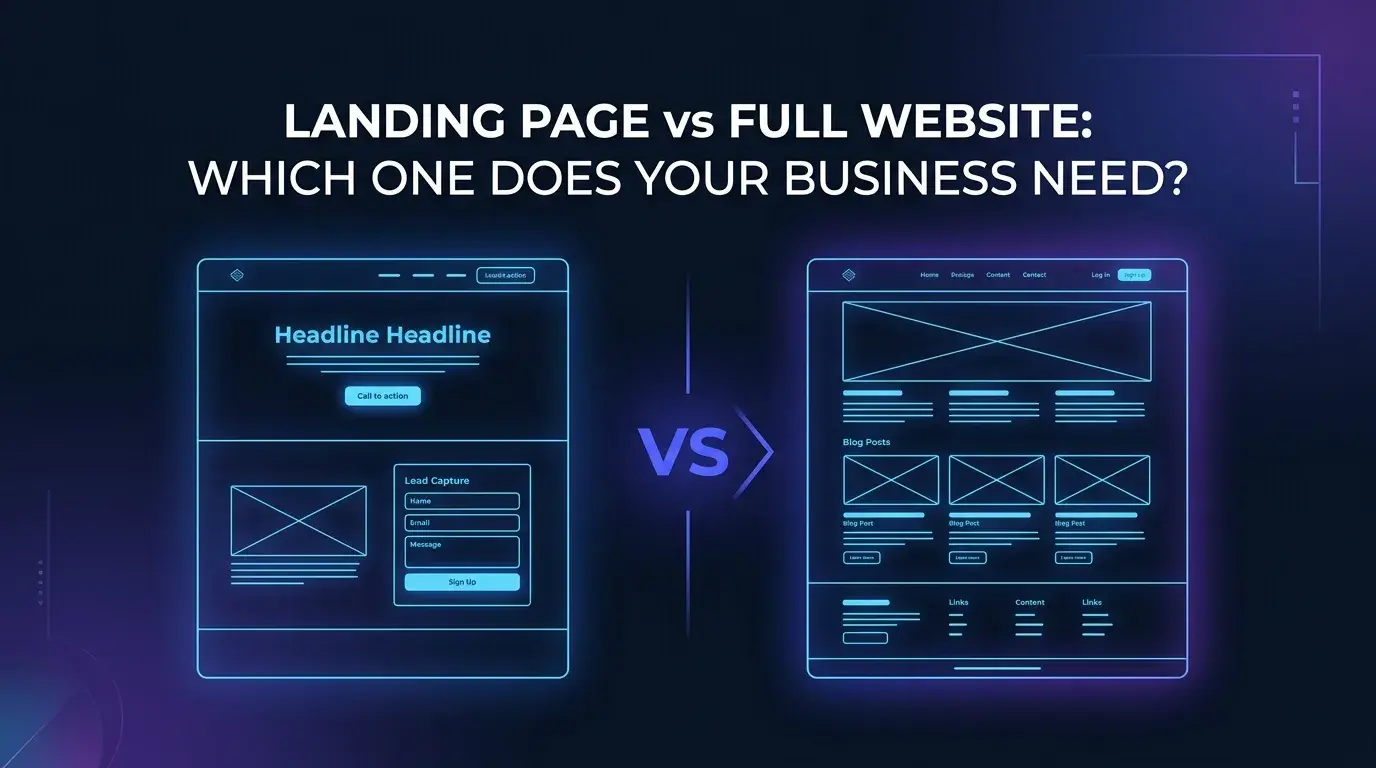
Landing Page vs Full Website: Which One Does Your Business Need?

Web Development

Landing Page vs Full Website: Which One Does Your Business Need?

HTTP Has No Memory, Every Request Is a Stranger

Web Basics

HTTP Has No Memory, Every Request Is a Stranger

From HTTP to HTTPS: Why Encrypting Your Data is Non-Negotiable

Security

From HTTP to HTTPS: Why Encrypting Your Data is Non-Negotiable